


Printing Services
Hot Press Services
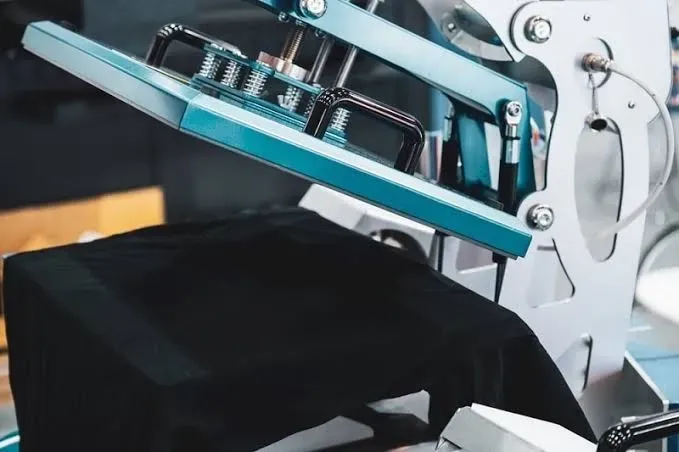
Hot press is effectively an ‘Iron-On’ transfer or a ‘Digital Print’ of a design, graphic or corporate logo to an item using a commercial heat press machine which applies high heat and pressure, for a preset period of time to permanently seal the transfer. The digital technology in our machines enables precise control of heat, pressure levels and timing, so our clients can enjoy high quality transferred items that are long lasting. They also benefit from highly effective patterns and great effects using our hot press technique.
Our machines are engineered to imprint artwork on fabrics and garments, such as t-shirts, jackets, HI VIS vests, hats and bags. However, hot press can also be used to imprint designs on mugs, plates, jigsaw puzzles, and other promotional products. Our presses have been the backbone of hundreds of businesses over the past 2 decades, providing a reliable workhorse of a product that stands up to the demands of imprinting business and manufacturing.
Hot press is quoted per artwork/ order and costs are based on quantities of items, artwork design complexity and how many layers/colour applications are required (surcharge may apply). There are no minimum quantities to order for iron-on printing, however, a minimum order of 5 is required for digital print.
Hot Pressing - 'Iron-On' Process & Requirements
Iron-on hot pressing involves creating an image in reverse, printing it to a coloured vinyl, and then transferring the image from the vinyl to a garment using heat and pressure. It is ideal for quick turn-around times and small quantities, including one-off items such as printing names and numbers on sports uniforms.Our clients can choose more than one colour, however, it requires additional time to carefully layer solid colours to create the desired design. For example; Iron-on can be done in 2 colours, as long as it doesn’t require to be lined up. Small intricate lettering cannot be achieved for iron-on.
Artwork Design:
Create or adapt a design for hot press, bearing in mind that bold simpler translate best. Next, send us the design in a High Resolution Vector file (e.g., EPS or PDF) so we can flip the image horizontally to create a reverse image (mirror image) and translate for printing. A photo can be digitally printed; however, no changes can be made unless artwork can’t make the image in high res.
For an additional fee, we can layer colours to create patterns, one application at a time. A signed approval for artwork is required prior to printing.
Transfer Image Preperation:
Once a reversed image is created, the coloured vinyl transfer is fed into our industrial cutter plotter with the clear plastic backing facing down. The machine then cuts the contour of the image. Pick tools are then used to ‘weed’ the vinyl and the excess vinyl is then peeled away.
Heat & Pressure:
Heat press involves placing the garment on a platen to keep it flat and wrinkle-free. Our commercial heat press machine applies high temperature (typically 196º C) and pressure for around 30-60 seconds to affix the transfer to the fabric. The fabric cools momentarily for around 30 seconds. No drying or curing is required. After that time, the plastic backing is peeled off the design and the item is ready to be packed and delivered.
Hot Pressing - 'Digital Print' Process:
Digital print hot pressing involves creating an image, printing it on to transfer paper using ink from a printer, and then transferring the image from the paper to a garment using heat and pressure. Digital print gives our clients the option to create more complex designs, using multiple colours.
At Brandworx, we digitally print on a white colour background, which means you will see a white boarder.
Artwork Design:
Create or adapt a design for hot press. Your creativity and imagination is the only barrier here. Next, send us the design in a High Resolution Vector file (e.g., EPS or PDF) so we can translate for printing. Custom made digital printed garments are printed using CMYK Black White. This is the same process that is used in paper printing and can produce high detailed, high colour results. A signed approval for artwork is required prior to printing.
Transfer Image Preperation:
Once an image is created and uploaded into our computerized system, it is then printed through our industrial ink-jet printer onto transfer paper using a heat transfer-compatible ink. The design is then ready to be applied by heat and press to the garment (i.e. polo shirt).
Heat and Pressure:
Heat press involves placing the garment on a platen to keep it flat and wrinkle-free. Our commercial heat press machine applies high temperature (typically 196º C) and pressure for around 30-60 seconds to affix the transfer to the fabric. The fabric cools momentarily for around 30 seconds. No drying or curing is required.
Screen Printing Services
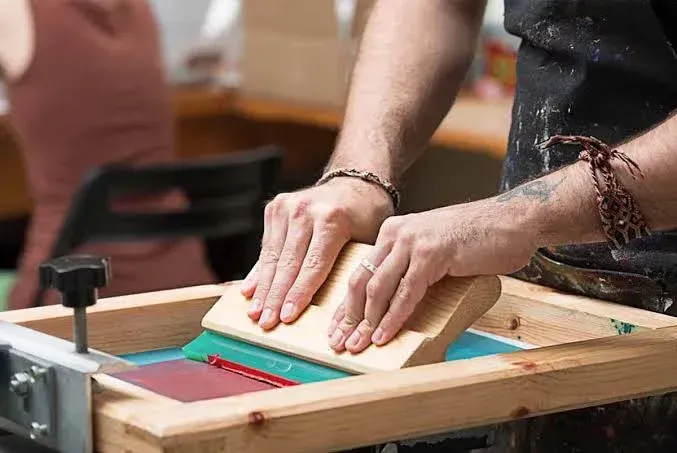
Screen printing is a printing technique that uses a woven mesh to support an ink-blocking stencil. The versatility of screen printing is one of the main reasons why many of our clients turn towards this print medium. Screen printing can be applied to almost any material, and makes up a large percent of printed garment works from t-shirt designs to elaborate patterns on a variety of textiles, to printed images on promotional items such as bags and balloons.
Costs associated with screen printing are based on the size of the print, the amount of colours required, the number of positions, and the quantity of the order (minimum order is 15). The turnover (from start to finish) is approximately 2-3 weeks.
Screen Printing process:
At Brandworx, we take great pride in perfecting our printing process to ensure our clients enjoy simple and efficient operations. Our service is built with the customer in mind, so ordering will be as effortless as possible. We deliver high standards of work and offer a reliable service from start to finish, that meets our client’s needs and printing expectations.
Special considerations:
- Screen printing light colours (mainly white) onto dark colours will cause the shirt colour to show through the print. For example, printing a white print on a red shirt may cause the print to look pink. This is most noticeable on polyester fabrics.
- In some cases, a base colour of white is printed under the selected print colour to give the print a better covering.
- We cannot print onto Mesh Lined jackets.
- For Quilted Lined Jackets, we can do a one colour print only; however, the quilted lines may show through the print.
- We cannot print onto Cotton Drill garments because of a treatment applied to the fabric which causes the print to fade once washed. Cotton Drill garments can be washed before printing to lessen the chance of this happening. The customer may wash the garments before printing if they would like.
- The print size will be to suit the smallest size garment ordered. For example, if a shirt order consists of sizes extra small (XS) to extra large (XL), the print may look too small on the XL shirt. If you would like two separate print sizes, you will be quoted as two separate jobs.
Artwork design:
Create or adapt a design for screen printing, bearing in mind that bold simpler designs made up of monochrome blocks translate best to screen printing. The size of the frame onto which the design will be transferred also needs to be considered, as this is what your image will look like. Next, send us the design in a High Resolution Vector file so we can recreate and translate for printing. For a fee, we can perform minor changes in-house using compatible software, to add a phone number for example. A signed approval for artwork is required prior to printing.
How does Screen Printing work?
A screen is made of a piece of mesh stretched over and tapped/clamped onto a frame. The attached stencil forms open areas of mesh that transfer ink or other printable materials which can be pressed through the mesh as a sharp-edged image onto a garment. A squeegee is moved across the screen stencil, pushing ink into the mesh openings for transfer.
Colour application:
Each screen is “inked up” with the approved colour, and each garment is then printed in correct colour order. The flash-drying process between each individual screen ensures crisp quality and prevents colour bleeding.
Curing the screen print:
The finished product is dried at 380 degrees Fahrenheit for 25 seconds to ensure it is fully cured throughout the entire ink deposit. This process makes sure designs won’t crack, fade, peel, or wash off. Once products have undergone rigorous quality inspection, it is time for them to be delivered!
Screen Printing care instructions:
- ALWAYS wash garments inside out.
- For the first two washes, wash by hand in cold water.
- Do not use bleach.
- Use a low temperature washing program only (we recommend 30 degrees Celsius maximum).
- NEVER tumble dry garments with screen prints.
- Iron garments inside out.
Note: We do not print on Supplied Garments
